Pesto Pasta with Fresh Asparagus
Highlighted under: No Stress Food | Simple Lunch
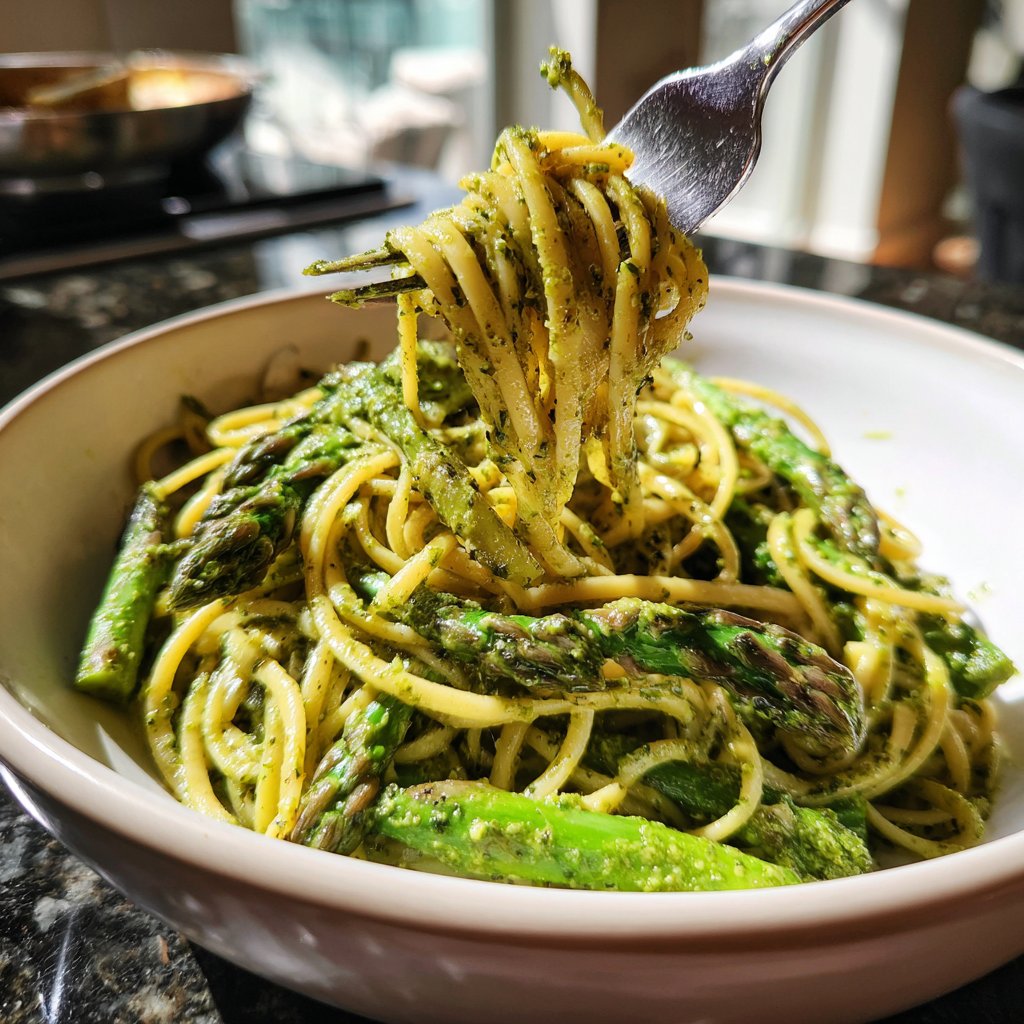
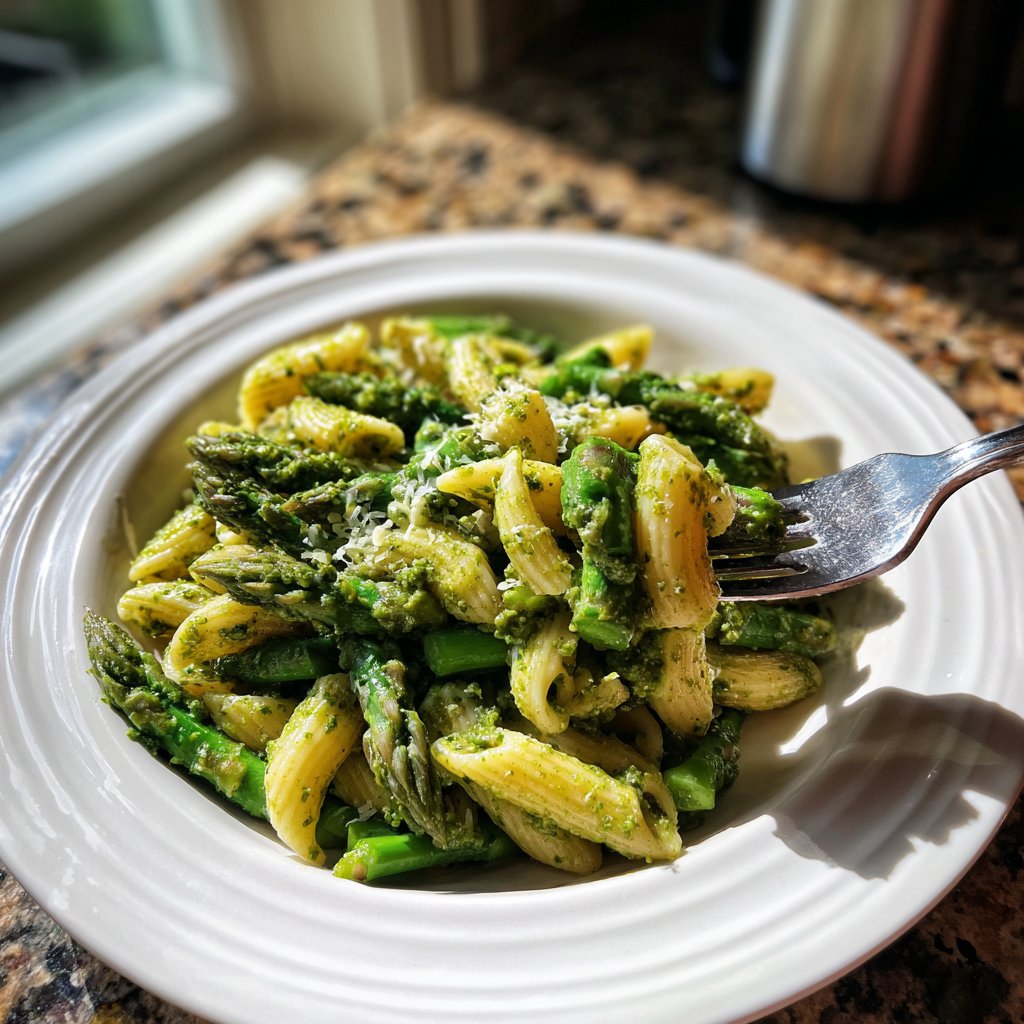
I absolutely love making Pesto Pasta with Fresh Asparagus on busy weeknights. This dish comes together in under 30 minutes and is packed with vibrant flavors. The fresh asparagus adds a delightful crunch, while the homemade pesto brings an aromatic burst that transforms the ordinary into something extraordinary. I often find myself returning to it when I'm looking for a quick meal that doesn't compromise on taste. Let's dive into how to recreate this dish in your kitchen!
Making Pesto Pasta with Fresh Asparagus has become a staple in my home. The first time I tried this recipe, I was amazed by how simple it was to prepare, yet it felt so gourmet. Each time I make it, I experiment with different pasta shapes and flavors, and I always recommend using fresh, seasonal asparagus for the best taste!
I discovered that adding a sprinkle of lemon juice at the end brightens up the flavors even more. This tip really sets the dish apart, elevating it to a whole new level. Every bite is a delicious combination of creamy, nutty, and freshfulness that will leave you wanting more!
Why You Will Love This Recipe
- Fresh asparagus offers a satisfying crunch that contrasts beautifully with the creamy pesto.
- The homemade pesto is quick to make and rich in flavor, bursting with basil and garlic.
- It's a colorful, nutritious dish that feels indulgent yet is perfect for any weeknight dinner.
Mastering Your Pesto
Homemade pesto is both faster and tastier than store-bought versions, and this recipe is no exception. The key to a vibrant pesto lies in using fresh basil and good-quality olive oil. For a smoother consistency, consider adding a tablespoon of cold water while blending. This will help emulsify the mixture, giving you that glossy finish that indicates a well-made pesto. Fresh basil should be a brilliant green; avoid yellow leaves as they may impart a bitter flavor.
If pine nuts are not available, feel free to substitute with walnuts or almonds. Toasting them lightly before adding to the food processor can enhance their flavor. Just be cautious—keep an eye on them in the oven or skillet so they don’t burn. The slight crunch from the nuts provides a wonderful texture that complements the creamy consistency of the pesto beautifully.
Perfect Pasta Cooking Techniques
Cooking pasta might seem straightforward, but mastering the technique can elevate your dish significantly. Always ensure your water is at a rolling boil before adding the pasta to prevent it from being mushy. Salting the water generously is crucial as it flavors the pasta itself, not just the sauce. I recommend about 1-2 tablespoons of salt per gallon of water. Timing is key; make sure to taste-test your pasta a minute before the recommended cooking time to achieve that perfect al dente texture.
Mixing the asparagus in during the last two minutes of cooking not only saves time but also ensures they retain their vibrant green color and crispness. This technique helps the asparagus to absorb some of the pasta's starchy water, making for a more cohesive dish. Remember to reserve a bit of that pasta water before draining—it’s a secret weapon for bringing your pesto sauce together if it feels too thick!
Serving Suggestions and Variations
To elevate your Pesto Pasta with Fresh Asparagus, I love to finish each serving with a squeeze of fresh lemon juice. This brightens the dish and balances the richness of the pesto. For added flavor, sprinkle red pepper flakes for a bit of heat or toss in cherry tomatoes for a splash of color and sweetness. A handful of arugula or spinach can also be mixed in for extra greens and a peppery bite.
This dish is incredibly versatile. If you're looking to incorporate proteins, grilled chicken or shrimp make excellent additions. You can also boost the nutrition factor by swapping regular pasta for whole-grain or even legume-based pasta. If you find yourself with leftovers, store them in an airtight container for 2-3 days, but keep in mind that reheating might cause the pasta to dry out. A splash of olive oil or broth can help rehydrate the dish when warming it up.
Ingredients
Gather all your ingredients before you start cooking for a smoother experience.
For the Pasta
- 300g pasta of choice (spaghetti, penne, or farfalle)
- 200g fresh asparagus, trimmed and cut into 2-inch pieces
- Salt, for boiling water
For the Homemade Pesto
- 2 cups fresh basil leaves
- 1/2 cup grated Parmesan cheese
- 1/3 cup pine nuts
- 2 cloves garlic, minced
- 1/2 cup extra-virgin olive oil
- Salt and pepper, to taste
Make sure everything is measured and ready to ensure a seamless cooking process.
Instructions
Follow these steps to make the perfect Pesto Pasta with Fresh Asparagus.
Cook the Pasta
In a large pot, bring salted water to a boil. Add the pasta and cook according to the package instructions until al dente. In the last 2 minutes of cooking, add the asparagus to the pot. Drain and reserve some pasta water.
Prepare the Pesto
In a food processor, combine basil leaves, Parmesan cheese, pine nuts, and minced garlic. Pulse until finely chopped. With the motor running, gradually add olive oil and blend until smooth. Season with salt and pepper to taste.
Combine and Serve
In a large bowl, combine the drained pasta and asparagus with the pesto. Toss to coat, adding a splash of reserved pasta water if needed to loosen the sauce. Serve immediately, garnished with extra Parmesan and a squeeze of lemon juice.
Enjoy your delicious Pesto Pasta with Fresh Asparagus!
Pro Tips
- For an added flavor twist, try adding sun-dried tomatoes or grilled chicken into the mix. You can also substitute pine nuts with walnuts if desired.
Storage Tips for Leftovers
To ensure the best flavor and texture, store any leftover pesto pasta in an airtight container in the fridge. Ideally, consume it within 2-3 days for optimal freshness. When reheating, use a non-stick skillet over medium heat to gently warm it up, adding a bit of olive oil or pasta water to maintain creaminess and prevent sticking.
If you’re interested in meal prep, consider making a larger batch of pesto ahead of time. It freezes beautifully in ice cube trays; once frozen, transfer the cubes to a freezer bag. This way, you can have fresh pesto ready to go whenever you need it. Simply thaw as much as you need when you’re ready to whip up a quick meal.
Troubleshooting Common Issues
If your pesto turns out too thick, simply add a little more olive oil or a splash of warm water while blending until you reach your desired consistency. If the flavors are too strong or the pesto tastes too bitter, balancing it out with a touch of honey or more cheese can help soften the flavor profile effectively.
During the cooking process, if your pasta or asparagus seems to stick together, a good stir with a fork while cooking can help. Remember, using plenty of boiling water and ensuring it returns to a boil after adding the pasta are key steps in avoiding that sticky situation.
Questions About Recipes
→ Can I make this dish vegan?
Absolutely! You can substitute the Parmesan cheese with nutritional yeast for a vegan option.
→ How can I store leftovers?
Store leftovers in an airtight container in the fridge for up to three days. Reheat on the stovetop with a bit of olive oil.
→ Can I use store-bought pesto?
Yes, you can use store-bought pesto if you're short on time. Just toss it with your pasta and asparagus!
→ What pasta works best for this recipe?
Any pasta shape works, but I recommend spaghetti or penne for the best texture with the pesto sauce.
Pesto Pasta with Fresh Asparagus
Created by: The Rebecabakes Team
Recipe Type: No Stress Food | Simple Lunch
Skill Level: Beginner
Final Quantity: 4 servings
What You'll Need
For the Pasta
- 300g pasta of choice (spaghetti, penne, or farfalle)
- 200g fresh asparagus, trimmed and cut into 2-inch pieces
- Salt, for boiling water
For the Homemade Pesto
- 2 cups fresh basil leaves
- 1/2 cup grated Parmesan cheese
- 1/3 cup pine nuts
- 2 cloves garlic, minced
- 1/2 cup extra-virgin olive oil
- Salt and pepper, to taste
How-To Steps
In a large pot, bring salted water to a boil. Add the pasta and cook according to the package instructions until al dente. In the last 2 minutes of cooking, add the asparagus to the pot. Drain and reserve some pasta water.
In a food processor, combine basil leaves, Parmesan cheese, pine nuts, and minced garlic. Pulse until finely chopped. With the motor running, gradually add olive oil and blend until smooth. Season with salt and pepper to taste.
In a large bowl, combine the drained pasta and asparagus with the pesto. Toss to coat, adding a splash of reserved pasta water if needed to loosen the sauce. Serve immediately, garnished with extra Parmesan and a squeeze of lemon juice.
Extra Tips
- For an added flavor twist, try adding sun-dried tomatoes or grilled chicken into the mix. You can also substitute pine nuts with walnuts if desired.
Nutritional Breakdown (Per Serving)
- Calories: 450 kcal
- Total Fat: 30g
- Saturated Fat: 6g
- Cholesterol: 15mg
- Sodium: 250mg
- Total Carbohydrates: 40g
- Dietary Fiber: 4g
- Sugars: 2g
- Protein: 12g